Cassandra Alexa’s Directing Statement
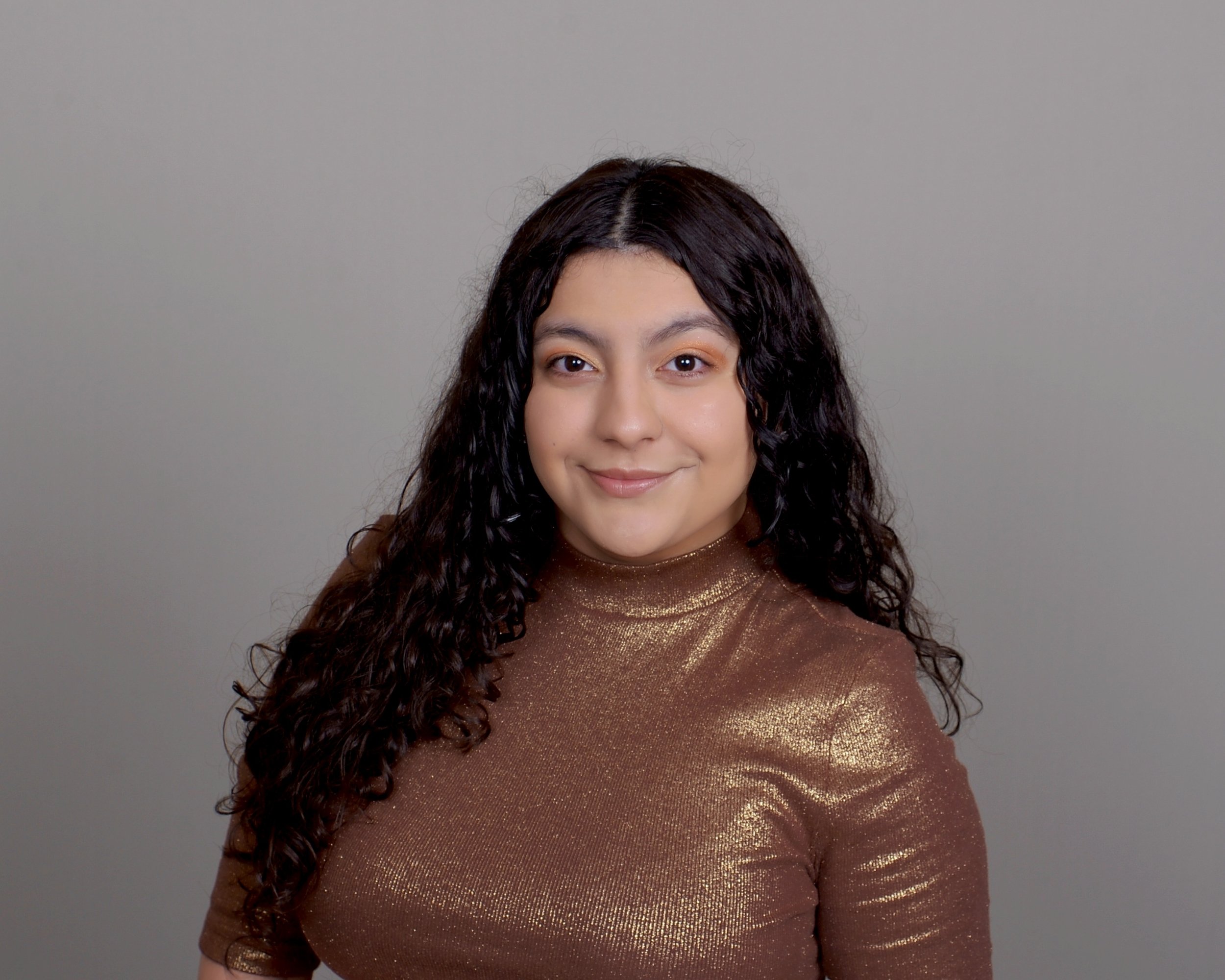
Cassandra Alexa's mission is to create film that uplifts marginalized communities and creates social change.
Cassandra Alexa’s directing style is based on empathy, connection, emotion, and intuition, focusing on representation and activism, with the flare of her signature psychedelic and glam aesthetics. Cassandra’s work is inspired by her leftist and socialist values that carry decolonial, stewardship-based, cultural, and anti-capitalist frameworks. Cassandra believes representation on screen societally creates (both in film and in real life) a more understanding, inclusive, empathetic, and loving perception and behavior towards others and oneself, and provides an appreciated experience of seeing oneself/culture on screen. Cassandra showcases diverse stories, and she directs with empathy-, emotion-, connection-, and culture-based work.
Art is personal to Cassandra. Cassandra is very proud of her identity as a Mexican Indigenous American woman and strives to honor her identity through her films. Facing many hardships in her life (a near-death experience, health issues, different types of abuses, marginalized identity traits which have presented discriminations towards her such as racism, sexism, etc., poverty, the disadvantages presented with having learning disabilities, educational/professional systemic challenges, struggles with mental health, etc.) she addresses and aims to combat these issues through her work.
Cassandra writes scripts that center on diverse/progressive characters (especially Latino/Indigenous and Black characters/stories), giving them authentic personalities/dialogue, and fun/unique stories. Many of the stories have either a main or underlying focus on a social issue or social goal and dive into either a specific aspect of it or the larger picture of that issue/goal. Education is a very important value to Cassandra and a big part of how she operates as a filmmaker; she aims to educate using art. She gathers a cast and crew from marginalized communities that have shared goals on representation and activism. She creates a safe, friendly, creative, supportive, and inclusive environment at rehearsals and on set and plays icebreaker games or holds conversations. She directs the actors by guiding them to emotionally, circumstantially, and culturally connect to their characters, doing exercises like The Moment Before, sense-memory, personal connections, physical activities, walking through character intention/subtext/needs/goals/verbs, and the beats of the scenes, and letting the actors provide additions to the character. She works on (often comedic/faster) pacing and blocking, letting her cast experiment in rehearsals until it feels right (and as funny as possible, if a comedy). To Cassandra, “psychedelic” is a film/music genre/technique that means taking the audience member/listener to another place, deeply connecting them to emotions, characters, story, the film’s world, or to themselves through the use of image, sound, and color, expanding their mind, emotions, and empathy.
Cassandra works with her DP, gaffer, and post-production team, to create this emotional and empathetic (or psychedelic) aesthetic by blocking the camera (camera movement and positioning), creatively using lighting and sound, incorporating psychedelic elements, editing as seamlessly (or comically) as possible, and incorporating psychedelic or hip-hop techniques and cultural connections in the sound edit/sound design. Music is a huge part of film for Cassandra, as music connects deeply to her/BIPOC culture(s). She often picks music by Latino and Black artists and provides her own music for her films. She likes to involve her Mexican, Black, lower-income, hometown community in her stories and production aspects (catering, hair/nails/costuming/makeup, locations, etc.). She tries to be resourceful and use what she has access to. Cassandra acts in and produces many of her films and is very involved with costuming/makeup (often designing herself), incorporating her love for glam and experimental looks. She also likes to see this aesthetic in her film’s production design and emphasize appreciation of culture and identity, both in costume/makeup and in production design. As an actress who is receiving acting training herself, the more she learns about acting, the more she understands how to be a better director, and vice versa. She puts effort into the small details of her films, practical effects, or bringing ideas or effects to life. She aims to create the world she wants to see inside her studio, Heart ERA, through Heart ERA’s actions in its community and in society, through the environment she creates on set, and in the world/characters/story (with an emphasis on representation/exposure, activism, and education) inside the script.
